01 47 20 48 70

French version — the French version is the authoritative one.

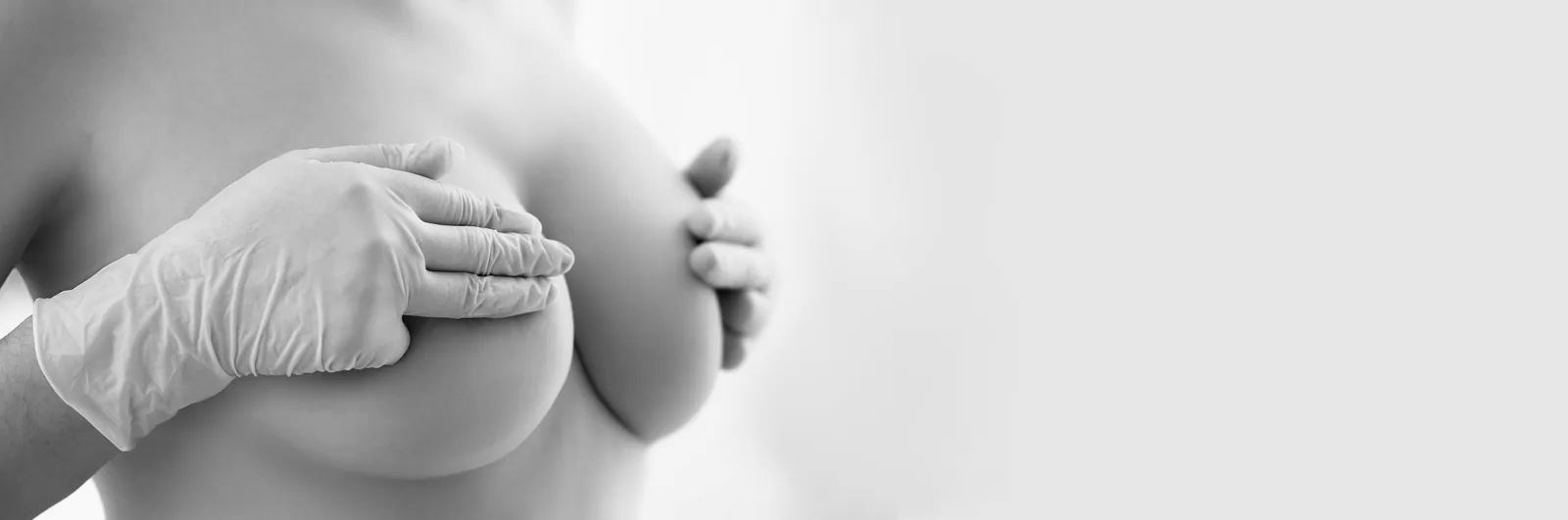
Surgeon's hand examining a breast, illustrating a natural-looking breast augmentation performed by Dr Pulvermacker in Paris

A question ?

Ask it here. The secretariat passes it on to Dr Pulvermacker, and you receive an answer within 48 working hours.

Your message is covered by medical confidentiality. It is neither passed on nor used for other purposes.

Breast augmentation in Paris 16 — implants and lipofilling

Breast augmentation corrects a breast volume felt to be insufficient, whether constitutional or following a pregnancy, breastfeeding or weight loss. Two means exist: the breast implant and autologous fat transfer, or lipofilling. They can be combined.

At a glance
AnaesthesiaGeneral
Length of procedure1 hr
Hospital stayOne night
ScarsLower hemi-areolar, inframammary fold or axillary approach depending on the case
Time off work8 days
Return to sportGradually from the sixth week
Final resultJudged at three months, final at six
FeeConsultation €200 — written quotation after examination
Health insuranceNo for aesthetic augmentation

My requirement is a constant one: an augmented breast must remain a breast — soft to the touch, mobile, in proportion to the chest and the figure. The volume is chosen with the patient, but it is the harmony of the result that guides the indication. When a request for volume seems to me disproportionate, I explain this in consultation rather than operate.
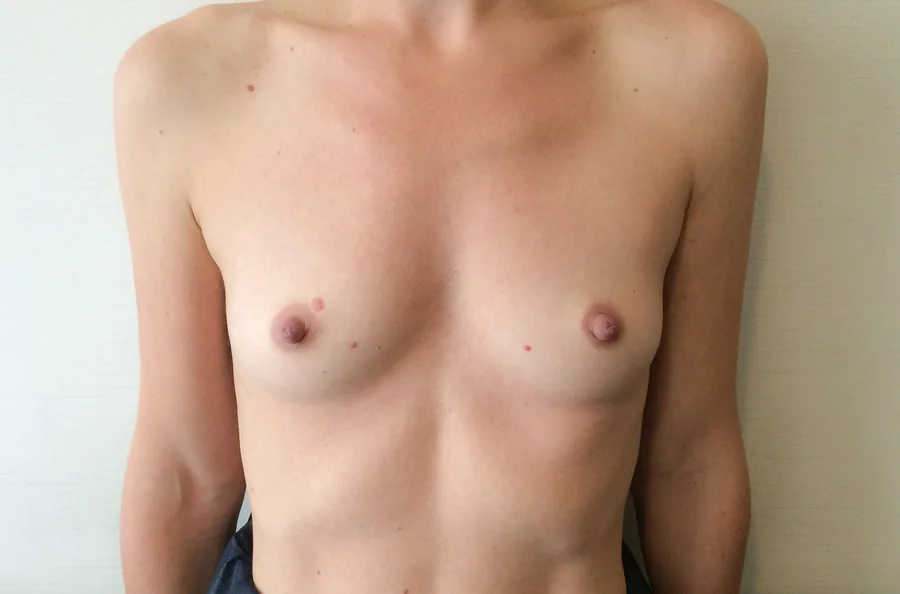
When should breast augmentation be considered?

The reasons that lead patients to consult, in their own words: a volume that has remained underdeveloped since puberty; breasts « emptied » after a pregnancy or breastfeeding, with or without associated sagging; a loss of volume after significant weight loss; a marked difference between the two breasts, which is dealt with on the page devoted to breast asymmetry; difficulty with clothing or swimwear, or simply the feeling of an imbalance between the chest and the rest of the body.

Where the request concerns the position of the breast rather than its volume — a breast that « drops » — the appropriate operation is not augmentation but correction of ptosis, possibly combined with an implant. It is the clinical examination that distinguishes the two.

Who this procedure suits — and who it does not

It suits a woman in good health, at a stable weight, whose breast development is complete, who makes a personal and considered request, and who accepts the scars, the follow-up and the principle that implants require maintenance over time.

It does not suit — or does not yet suit — in several situations: when the request comes from a third party more than from the patient; when a recent event (a break-up, a bereavement, depression under treatment) is what motivates the decision, because surgery does not repair what belongs to another kind of support; when a pregnancy is planned in the near future, since pregnancy may change the result; when smoking cannot be stopped around the time of the operation; or when the expectation is a spectacular result that the morphology cannot produce naturally. These situations are discussed in consultation before any decision.

Implants or lipofilling: how to choose?

The breast implant

This is the standard technique as soon as the desired augmentation exceeds what the available fat allows. The implants used are filled with cohesive silicone gel and carry the CE mark; their reference numbers are recorded in the file and given to the patient — this traceability is a regulatory obligation.

Three decisions shape the operation, and I explain them one by one in consultation:

  • the volume and shape of the implant, chosen by trial sizing and according to the width of the chest, the breast base and the quality of the skin;
  • the position: in front of the pectoral muscle, behind it, or dual plane — the technique I most often choose, because it combines coverage of the upper pole by the muscle with a natural curve at the lower pole;
  • the approach, which determines the scar: lower hemi-areolar (the most discreet where the areola lends itself to it), inframammary fold or axillary.

Breast lipofilling

Autologous fat transfer harvests surplus fat by liposuction (abdomen, hips, thighs), purifies it and reinjects it into the breast. It introduces no foreign material and improves the donor area along the way. Its limits are real: the augmentation obtained remains moderate (of the order of half a cup to one cup per session), part of the fat is resorbed in the following weeks, and a sufficient fat reserve is needed. It can complement an implant to soften the contours: this is composite augmentation.

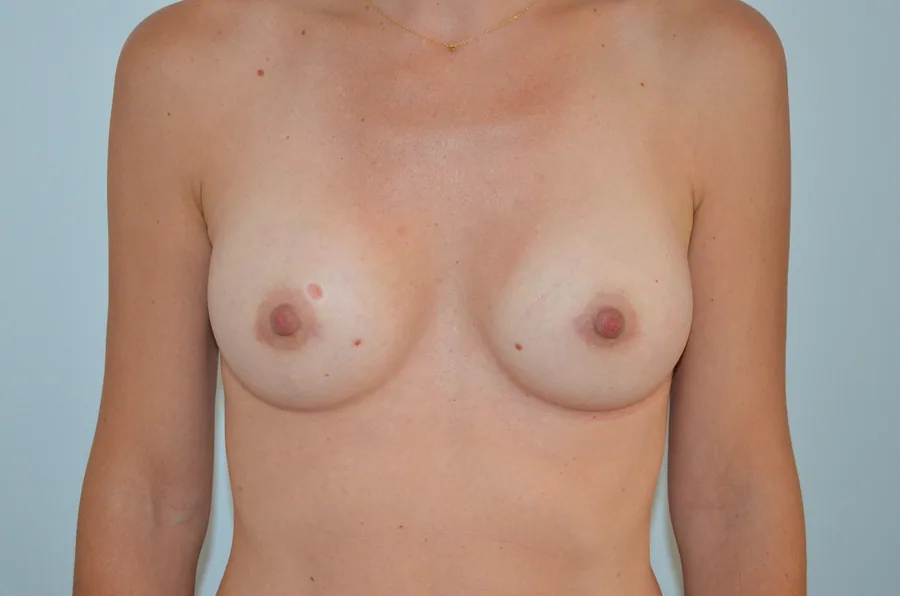
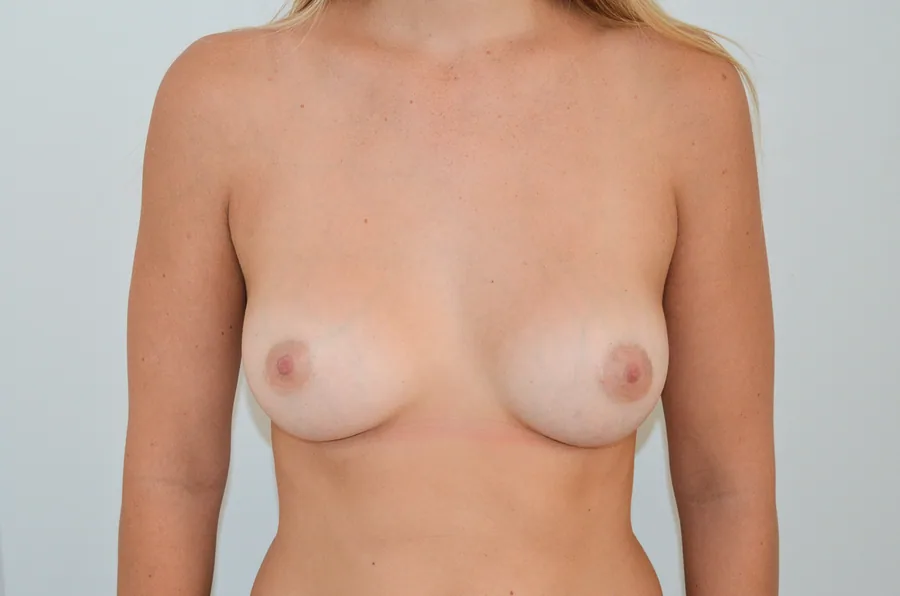
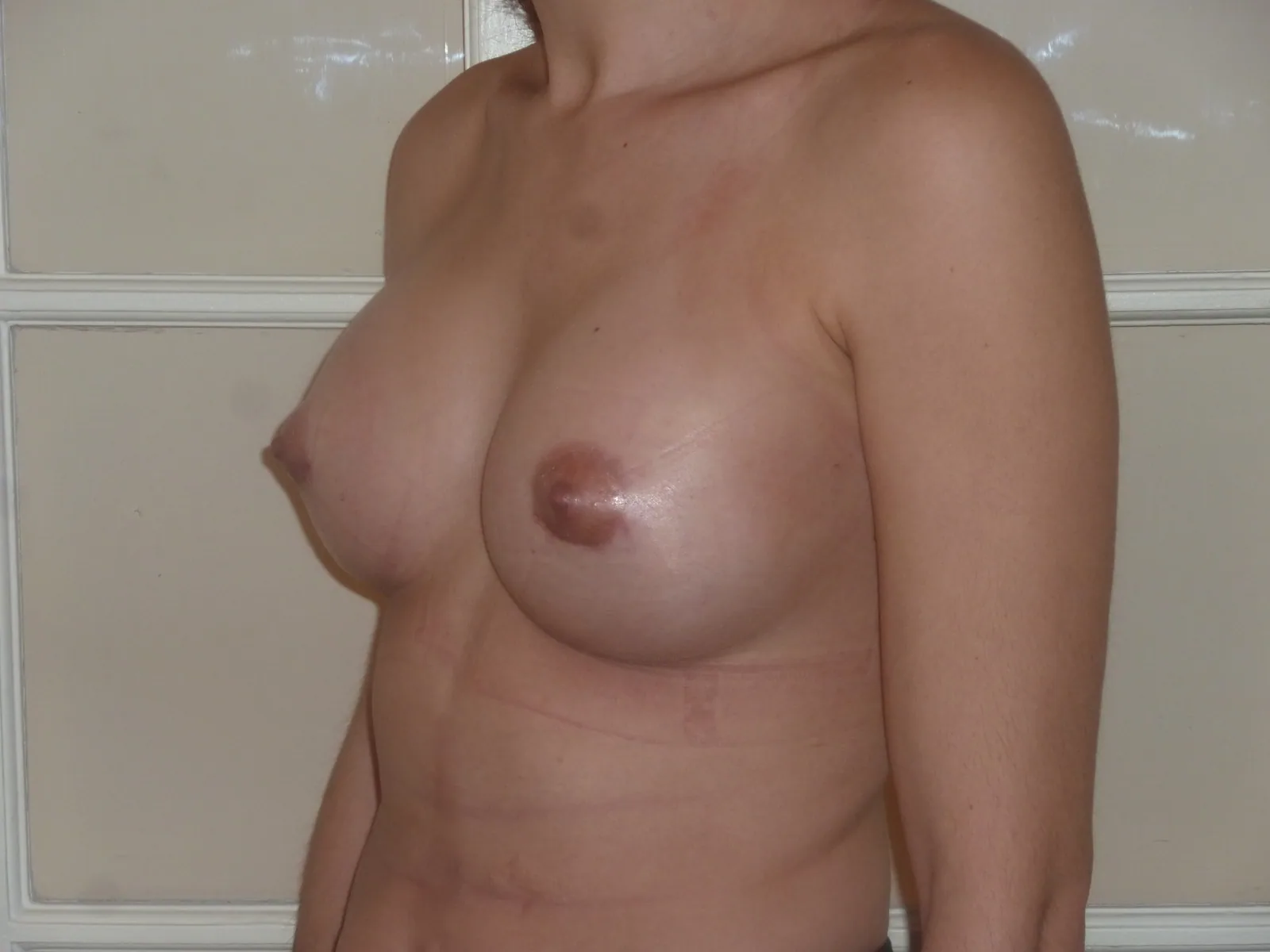
Breast augmentation result — Dr Pulvermacker, Paris

How does the operation proceed?

Breast imaging (mammogram and/or ultrasound, depending on age and history) is requested before the operation. The procedure takes place under general anaesthesia, in one of the two establishments certified by the French National Authority for Health where I operate, and lasts about an hour. One night in hospital is usual; day surgery is possible in some cases.

What is the recovery like?

A support bra is fitted in theatre and worn for a month, day and night. Pain in the first days is moderate, more marked with a retro-muscular position, and controlled by simple painkillers. Swelling appears within the first twenty-four hours and takes several weeks to settle. Returning to office work is generally possible between five and ten days; sport is resumed gradually from the sixth week. The breasts are initially high and firm: the result can be judged at three months and considered final at six.

What is follow-up like after breast augmentation?

The support bra is worn day and night for several weeks: that is the main constraint of the recovery. Nurses at the practice and the clinic handle dressing changes, and the anaesthetist checks that pain relief remains appropriate. The surgeon sees you within seven days, then between day ten and day fourteen before sutures are removed. Manual lymphatic drainage at home and hyperbaric oxygen therapy are available, offered where indicated. The detailed calendar appears under post-operative care.

Limits and specific risks

Besides the risks common to any surgery (haematoma, infection, healing problems, the risks of anaesthesia), augmentation with implants carries risks of its own which must be known before deciding:

  • capsular contracture: a fibrous capsule normally forms around any implant; when it contracts, it can harden the breast, deform it and become painful, to the point of requiring a further operation;
  • rupture or wear of the implant: an implant is not permanent; imaging surveillance is recommended and replacement must be envisaged in the long term;
  • rippling and palpable folds in very slim patients, temporary changes in areolar sensation, and the possibility of residual asymmetry;
  • rare but documented entities, including breast implant-associated anaplastic large cell lymphoma (BIA-ALCL), which I present systematically in consultation together with the SoFCPRE information leaflet and the current recommendations of the French medicines agency.

Lipofilling, for its part, carries a risk of partial resorption of the fat, of irregularities and of the formation of fat cysts or calcifications, whose radiological appearance is familiar to radiologists and does not interfere with screening when they are informed of the procedure.

None of these complications is frequent. All justify regular follow-up: my patients are seen again at no charge for one year, and thereafter keep my professional number.

Pregnancy, breastfeeding and screening: what you should know

Pregnancy and breastfeeding generally remain possible after a breast augmentation, although no technique can guarantee that the ability to breastfeed will be preserved. The presence of implants must be reported before any mammogram, ultrasound or MRI so that the views can be adapted; breast cancer screening continues normally.

Frequently asked questions

How long does a breast implant last?

An implant is not for life. There is no fixed replacement date: it is clinical and imaging surveillance that determines whether it should be changed. In practice a further operation is likely during a lifetime, often discussed around ten to fifteen years.

Under the muscle or in front of it: which is better?

Neither, in the absolute. The position depends on the thickness of the tissues that will cover the implant. The dual plane, which I use most often, combines the advantages of both; the choice is explained and justified in consultation.

Will the scar show?

A scar never disappears, but it is placed where it shows least: the edge of the areola, the fold under the breast, or the hollow of the armpit. It fades over twelve to eighteen months and is the subject of precise aftercare instructions.

Can you choose exactly the volume you want?

The volume is chosen together, by trial sizing, within what the morphology allows. An implant too wide for the chest or too heavy for the skin produces an artificial result and ages badly: in that case I explicitly advise against it.

Is the operation reimbursed?

No. Aesthetic breast augmentation is not covered by French health insurance. Reconstructive situations (agenesis, malformation, major asymmetry, tuberous breasts, Poland syndrome) belong to other pages and other rules.

How much time off is needed?

Allow five to ten days off for office work, longer for a physical job. Carrying loads and sport wait until the sixth week.

This content is reviewed by Dr Benjamin Pulvermacker. The SoFCPRE information leaflet on breast augmentation is given and discussed in consultation.

A question about this procedure ?

Call 01 47 20 48 70

You are still hesitating

A consultation commits you to nothing.

A proportion of consultations end with no indication, or with a decision to wait. These are normal outcomes, and they are said to your face.

What happens at a first consultation →

Consultation

Let us talk about your plan

The secretariat answers from Monday to Friday, 9 a.m. to 6 p.m.

You have decided

Request an appointment

Give your availability, the practice offers you a slot.

My availability

You would rather speak

Be called back

Leave a number and a time. The secretariat calls you within 48 working hours.

Be called back

You are gathering information

Write to the practice

A question, without an appointment. The secretariat passes it on, answer within 48 working hours.

Ask a question

Or by telephone : 01 47 20 48 70Exchanges are covered by medical confidentiality.

A detailed quotation is compulsorily given at the consultation. A statutory reflection period of fifteen days runs from the moment it is handed over.

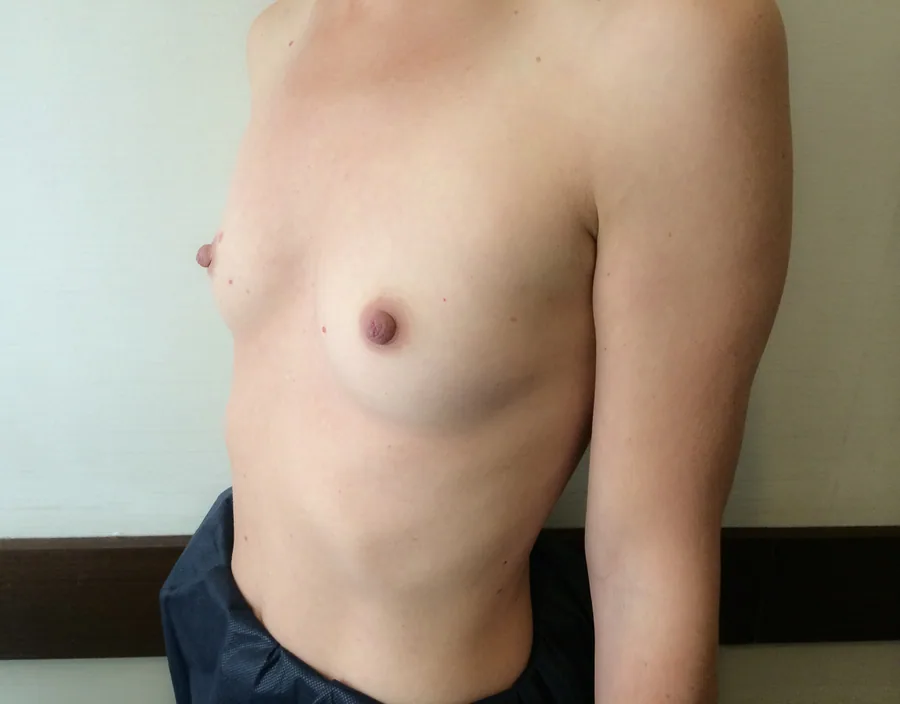
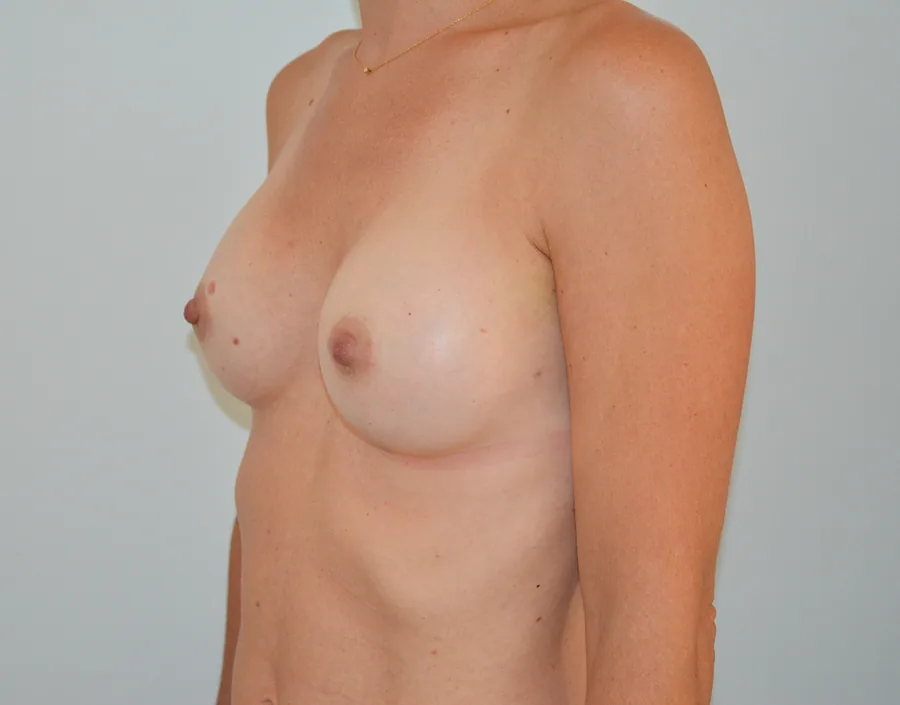
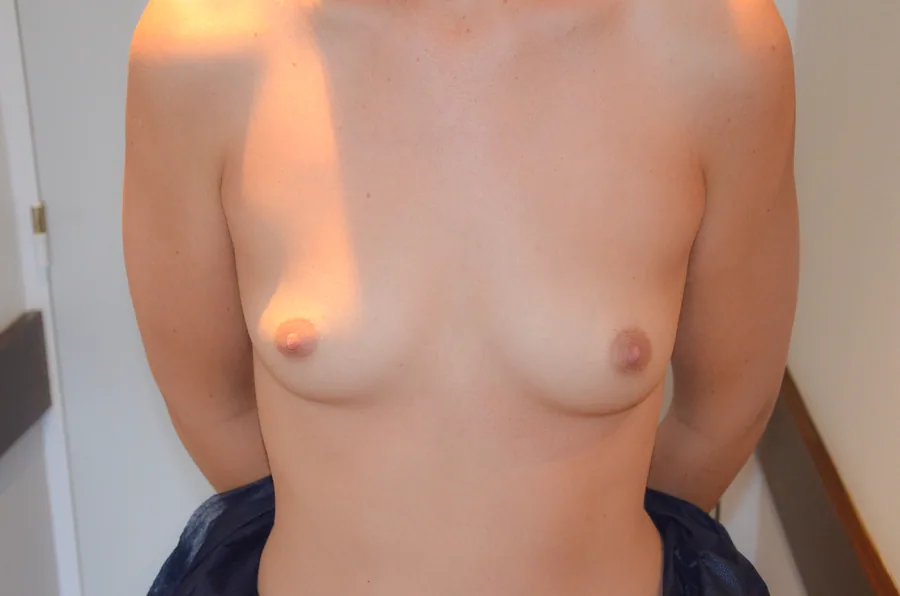
What results can be expected ?

Every situation is particular: these photographs illustrate results obtained, they do not predict yours.

Before photo: breast augmentation — Dr Pulvermacker, Paris
Before
After photo: breast augmentation — Dr Pulvermacker, Paris
After
Before photo: breast augmentation — Dr Pulvermacker, Paris
Before
After photo: breast augmentation — Dr Pulvermacker, Paris
After
Before photo: breast augmentation — Dr Pulvermacker, Paris
Before
After photo: breast augmentation — Dr Pulvermacker, Paris
After

See all the results

Contact the practice

The secretariat answers from Monday to Friday. You may also write : we call you back within 48 working hours.

Breast augmentation in Paris 16 — a question about this procedure ?Be called backWrite01 47 20 48 70
Call Write