01 47 20 48 70

French version — the French version is the authoritative one.

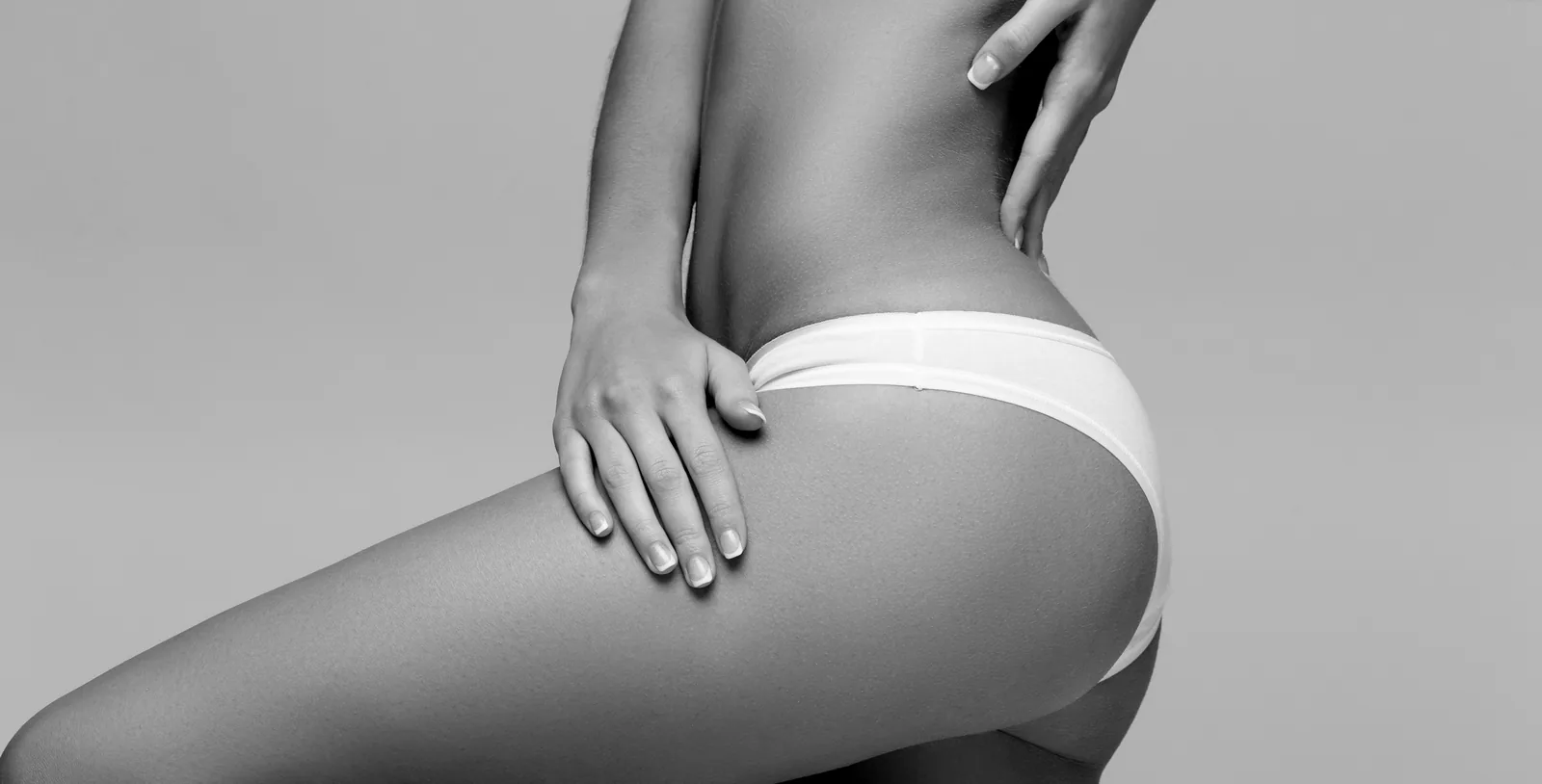
Silhouette féminine mettant en valeur des fesses galbées, illustrant les résultats d'une augmentation des fesses par le Dr Pulvermacker à Paris

A question ?

Ask it here. The secretariat passes it on to Dr Pulvermacker, and you receive an answer within 48 working hours.

Your message is covered by medical confidentiality. It is neither passed on nor used for other purposes.

Liposuction in Paris 16 — removing localised fat deposits

Liposuction genuinely redraws a figure. It is particularly indicated where there are localised fat deposits, in areas on which diet and exercise have no effect.

It is today the most requested aesthetic procedure, among men as much as among women.

What is liposuction?

Liposuction removes subcutaneous fat from a given area, using fine cannulas introduced through very short incisions. It treats neither deep visceral fat nor excess skin.

The cannulas used today are very fine, which makes it possible to adapt precisely to the area treated, including delicate regions such as the chin or the folds of the back.

Why consider liposuction?

Because the distribution of fat is uneven and remains massively stored in one or more regions of the body, despite a stable weight.

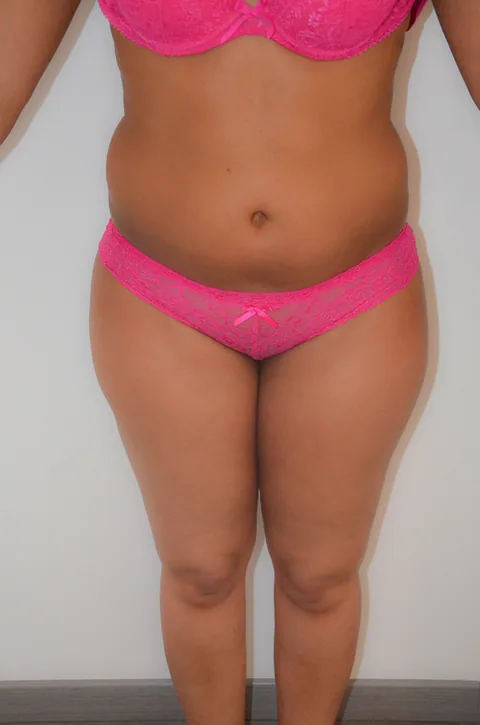
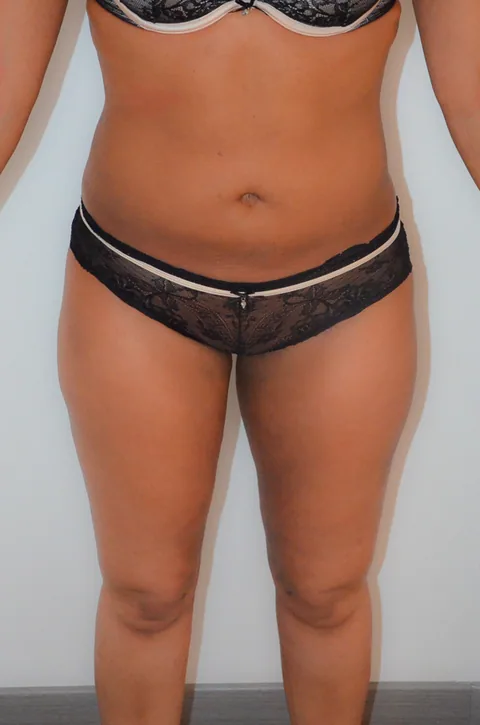
Because these deposits contrast with the rest of the figure and create difficulties with clothing: a narrow waist and hips combined with saddlebags that force you to dress two sizes larger.

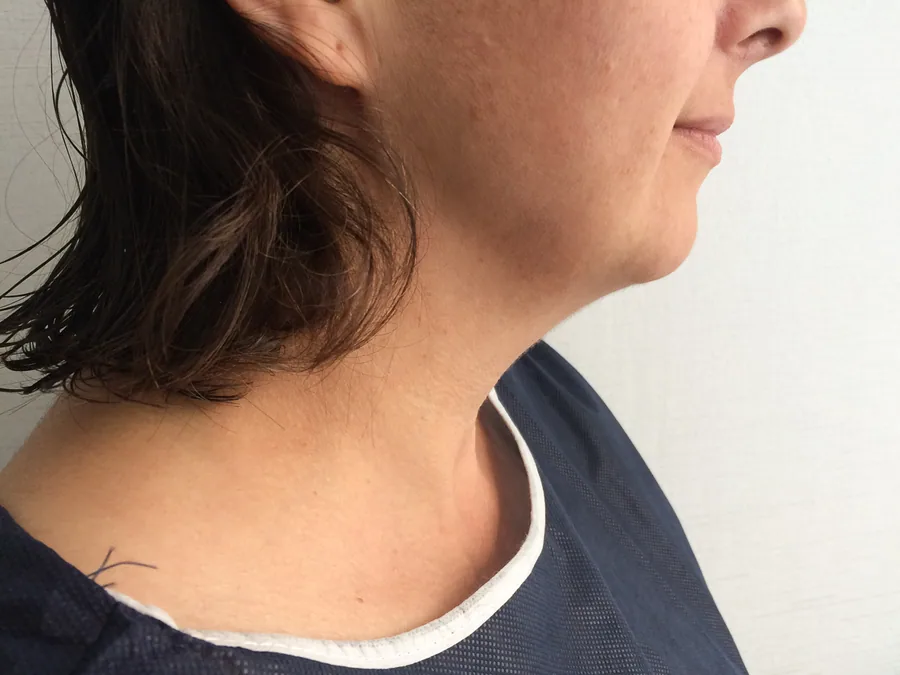
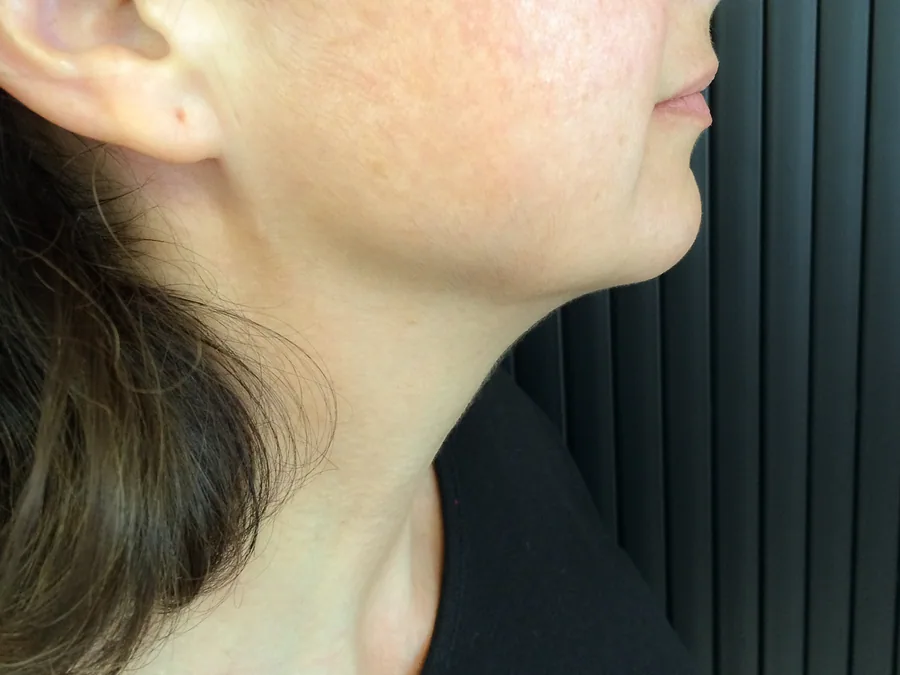
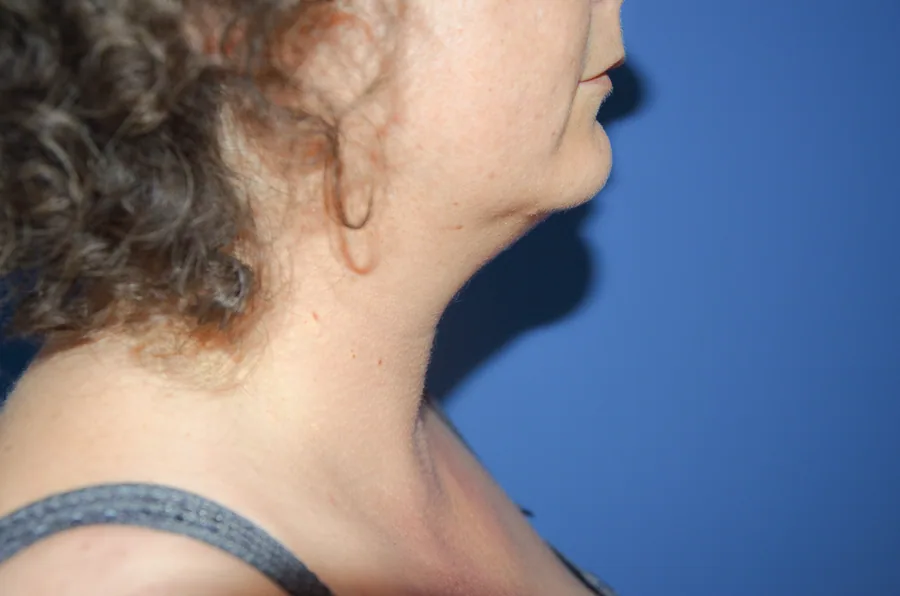
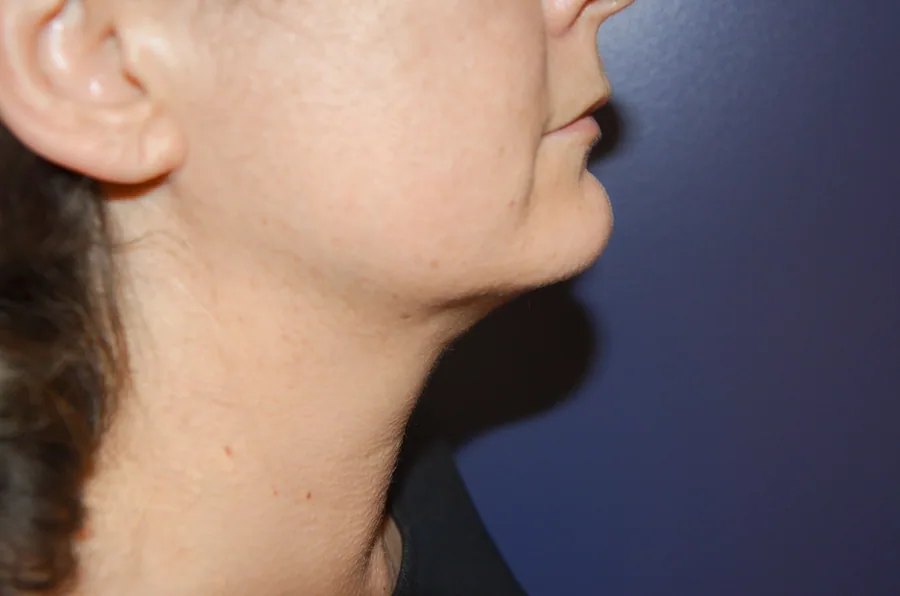
Because the face looks heavy because of a double chin.

Because you are overweight and need a starting point for taking things in hand overall. On this last point one clarification is needed: liposuction can accompany such an effort, it cannot replace it.

Which areas can be treated?

The areas most frequently treated are the saddlebags, the hips and love handles, the abdomen, the inner thighs, the knees, the arms, the folds of the back and the chin.

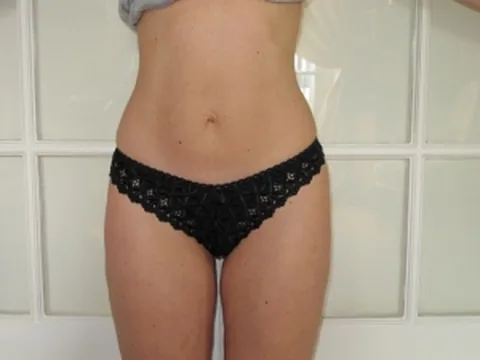
Patiente après liposuccion - Dr Pulvermacker, Paris

Does liposuction make you lose weight?

No. It changes a distribution, not a weight. The quantity removed rarely represents a significant change on the scales.

The benefit is morphological: what changes is the relationship between volumes, not the total mass.

How does the operation proceed?

Liposuction can be carried out under local anaesthesia for a single area, or under regional or even general anaesthesia if the areas are multiple or extensive.

The operation takes place as day surgery or with one night in hospital, depending on the quantity aspirated.

What is the recovery like?

Recovery is somewhat painful and warrants suitable pain relief for the first eight days. The pain is fleeting, occurs on changing position, and feels like severe muscle stiffness.

Anticoagulant injections are compulsory for ten to fifteen days, to reduce the risk of deep vein thrombosis.

The compression garment is worn for four weeks, night and day, then during the day only. This point directly determines the quality of the result: compression guides the retraction of the skin.

Significant swelling appears around the second day and persists for several weeks, as does bruising.

What follow-up after liposuction?

The compression garment is worn for several weeks: it supports the skin as it retracts and limits the swelling that masks the result over the first weeks. Manual lymphatic drainage may be offered at home from the second day, depending on the areas treated and on the surgeon's judgement. Nurses deliver local care, the anaesthetist follows pain relief. Two review consultations are scheduled, within seven days and between day ten and day fourteen. The detailed arrangement appears under post-operative care.

When is the result final?

The result can be judged six months after the operation. Any revision should not be considered before twelve months, the time needed for the tissues to stabilise completely.

What are the risks?

Besides the risks associated with general anaesthesia, the specific complications essentially concern thromboembolic risks, and deep vein thrombosis in particular. That is the reason for preventive anticoagulation and for walking again early.

Imperfections of result and small asymmetries are possible and can be corrected by a revision.

The other, very rare complications are set out in detail in the SoFCPRE information leaflet.

When should you contact the surgeon quickly?

In the event of pain in a calf, asymmetrical swelling of a limb, breathlessness or chest pain — signs that may suggest a thromboembolic complication — and also in the event of fever, spreading redness or discharge.

Frequently asked questions

Can the fat come back?

The fat cells removed do not re-form. On the other hand, significant weight gain enlarges the remaining cells, including in other areas: the benefit is maintained at a stable weight.

Does liposuction treat cellulite?

No. Cellulite is a matter of the architecture of the fibrous partitions beneath the skin, not of fat volume. Liposuction may even make it more visible if the skin lacks firmness.

When can sport be resumed?

Walking is encouraged immediately to prevent thromboembolic risk. Returning to sport is gradual and is specified in consultation according to the extent of the areas treated.

Last updated: August 2026 · Medical content reviewed by Dr Benjamin Pulvermacker, board-qualified plastic surgeon in Paris 16.

Pour qui cette intervention convient — et pour qui elle ne convient pas

Elle convient aux excès graisseux localisés et résistants — (culotte de cheval, hanches, ventre, genoux, cou) chez une personne au poids stable et à la peau suffisamment élastique pour se rétracter. Elle ne convient pas comme méthode d'amaigrissement, ni lorsque la peau est distendue : aspirer sous une peau qui ne se rétracte plus crée l'excès cutané au lieu de l'ôter, et c'est alors une plastie qui est indiquée. La cellulite superficielle n'est pas non plus une indication : la liposuccion ne la traite pas.

Limites et risques spécifiques

Le résultat dépend autant de la rétraction cutanée que du volume retiré, d'où l'importance de l'examen de l'élasticité. Risques propres : irrégularités et vagues, asymétrie, troubles transitoires de la sensibilité, sérome, et pour les volumes importants un retentissement général qui impose de limiter le volume aspiré par séance. Le port d'un vêtement de contention pendant quatre à six semaines conditionne la qualité du résultat. Le résultat s'apprécie à trois mois, définitivement à six.

A question about this procedure ?

Call 01 47 20 48 70

You are still hesitating

A consultation commits you to nothing.

A proportion of consultations end with no indication, or with a decision to wait. These are normal outcomes, and they are said to your face.

What happens at a first consultation →

Consultation

Let us talk about your plan

The secretariat answers from Monday to Friday, 9 a.m. to 6 p.m.

You have decided

Request an appointment

Give your availability, the practice offers you a slot.

My availability

You would rather speak

Be called back

Leave a number and a time. The secretariat calls you within 48 working hours.

Be called back

You are gathering information

Write to the practice

A question, without an appointment. The secretariat passes it on, answer within 48 working hours.

Ask a question

Or by telephone : 01 47 20 48 70Exchanges are covered by medical confidentiality.

A detailed quotation is compulsorily given at the consultation. A statutory reflection period of fifteen days runs from the moment it is handed over.

Let us talk about your plan

The secretariat answers from Monday to Friday. You may also write : we call you back within 48 working hours.

Liposuction in Paris 16 — a question about this procedure ?Be called backWrite01 47 20 48 70
Call Write