01 47 20 48 70

French version — the French version is the authoritative one.

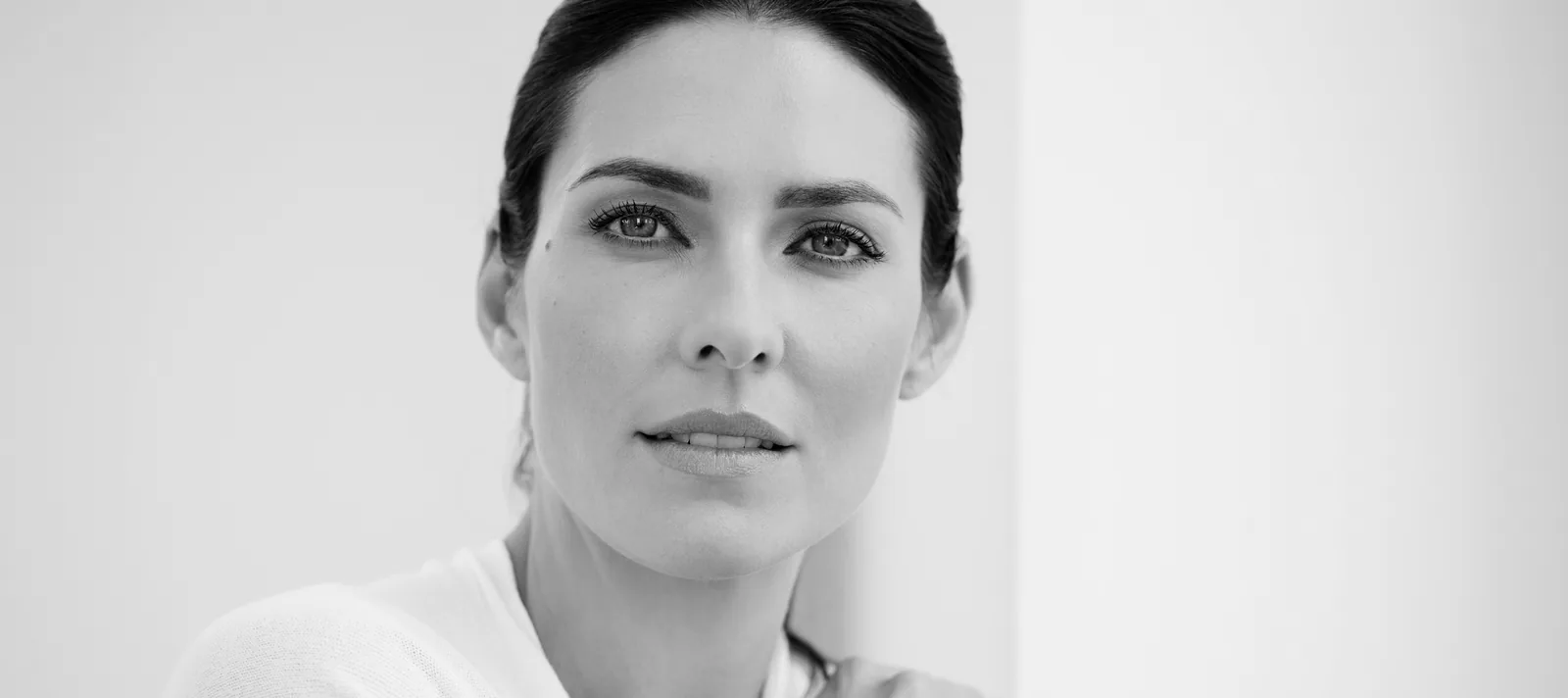
Portrait en noir et blanc d'une patiente au visage lisse et raffermi, illustrant un lifting cervico-facial réalisé par le Dr Pulvermacker à Paris

Cervicofacial lift in Paris 16 — vertical deep plane lift of the face and neck

The cervicofacial lift is the operation that corrects laxity of the lower third of the face and of the neck. It repositions tissues that have descended, re-tensions the deep structures and removes the excess skin that has formed. The aim is not to transform a face, but to give it back the jawline and the cervicomental angle it previously had.

At a glance
AnaesthesiaGeneral
Length of procedure2 hr 30 to 3 hr
Hospital stayOne night
ScarsTemporal within the hairline, in front of the ear around the tragus, then behind the auricle
Time off work15 days
Return to sportAfter one month
Final result6 months — scars keep fading for 12 to 18 months
FeeConsultation €200 — written quotation after examination
Health insuranceNo, outside a reconstructive indication

A successful facelift does not show. Those around you notice a rested air, better colour, a rejuvenation — without being able to identify any surgery.
What is a cervicofacial lift?

« Cervicofacial » means that the operation treats the face and the neck together. This combination is most often necessary: treating the face without the neck leaves an immediately perceptible discrepancy between a redefined jawline and a neck that has stayed lax.

The lift works on two planes. The deep plane first: the SMAS, the superficial musculoaponeurotic system, is the fibrous sheet that supports the tissues of the face and continues into the neck as the platysma muscle. It is its laxity that produces jowls and the loss of the neck angle. Re-tensioning it is the essential stage of the operation.

Then the skin plane: excess skin is removed, without excessive traction. Skin pulled to compensate for an untreated deep plane gives a stretched, short-lived result and widened scars. It is precisely the correction of laxity in the deep and then the superficial tissues, in that order, that distinguishes a modern facelift from older techniques.

Why consider a face and neck lift?

The reasons for consulting are consistent:

  • the skin of the face has sagged and jowls have appeared, blurring the jawline;
  • the neck has become lax and the angle between chin and neck has disappeared;
  • the cheekbones have lost their projection and the upper face looks hollow;
  • the face looks permanently tired, even after a full night's sleep;
  • in front of a mirror, the first spontaneous gesture is to draw the skin towards the temples with the hands: that gesture reproduces exactly the effect being sought;
  • the face gives back an image at odds with the energy you feel.

This last point is decisive in consultation. A request for a facelift made during a period of personal upheaval, or with the expectation that it will resolve a difficulty that is not morphological, calls for time and discussion rather than a date in the operating theatre.

What is a vertical deep plane lift?

A vertical deep plane lift describes two things at once: the depth at which the surgeon works, and the direction in which the tissues are repositioned.

The depth. The procedure is carried out beneath the SMAS, in what the surgical literature calls the deep plane. Working at this level makes it possible to release the retaining ligaments of the face and to move the tissues as a block, without placing tension on the skin. That is what protects expression: the skin is not what drives the lift, it is only its covering.

The direction. An older facelift pulled the tissues laterally, towards the ears. But ageing makes tissues descend vertically, under gravity. Pulling backwards therefore does not correct the actual movement: it flattens the cheeks, displaces the corner of the mouth and produces that face « blown backwards » that everyone recognises. Repositioning along a vertical vector, by contrast, lifts the tissues back along the exact path by which they came down.

Dr Pulvermacker favours this approach for a simple reason: it is the one that gives the least frozen or puffy appearance, and the one that restores volume where it has melted away — the cheeks and cheekbones — instead of displacing it towards the lower face.

Should the cheekbones be treated? The malar lift

In some patients, laxity is not confined to the lower face: the malar region — the cheekbones — has also dropped and emptied. The middle third of the face then looks hollow, the nasolabial fold deepens, and the eyes are weighed down from below.

The malar lift consists in repositioning these cheekbone tissues upwards, during the same operation and through the same approach. It does not add material: it puts back what has descended.

Where volume loss is significant, lipofilling — reinjection of the patient's own fat — may be combined with it to complete the restoration of volume in the cheekbones and temples.

One point deserves to be stated plainly: treating the jowls without treating dropped cheekbones gives an unbalanced result, in which the lower face has been rejuvenated and the middle has not. It is the assessment made in consultation, not a preference for one technique, that determines whether the malar procedure is needed.

Full lift or mini-lift: what is the difference?

The choice depends on the extent of the laxity, not on age.

The mini-lift treats early laxity, limited to the cheek region and the beginning of the jowls, without significant involvement of the neck. Undermining is more limited, the scars shorter, the recovery quicker. It often concerns patients aged 40 to 50 whose skin has been prematurely damaged by sun or tobacco.

The full cervicofacial lift is indicated when laxity involves the lower third of the face and the neck. It makes it possible to re-tension the jowls, treat the platysma, redefine the jawline and restore the cervicomental angle.

Offering a mini-lift to a patient who needs a full lift leads to an insufficient result and to rapid disappointment. The reverse is also true: operating extensively on moderate laxity brings no additional benefit.

Where are the scars of a facelift?

The line follows the natural contours of the ear region, which is why it is discreet once the operation is behind you.

The scar begins in the temporal region, within the hair, runs down in front of the ear passing around the tragus — the small cartilaginous prominence at the entrance to the ear canal — passes under the lobe, then rises behind the ear to end in the hair-bearing scalp.

This retrotragal line places the anterior scar within an anatomical fold, away from direct view. The temporal and retroauricular segments are hidden by the hair.

A facelift scar usually becomes very discreet. It never becomes non-existent. It matures over twelve to eighteen months, and its final quality depends on individual factors: skin type, tension at the wound edges, smoking, sun exposure.

How does the operation proceed?

The facelift is frequently combined with eyelid surgery, and sometimes with lipofilling of the cheekbones and temples where volume loss is marked. These combinations are carried out during the same operation, under the same anaesthetic.

Stopping smoking is not a recommendation of principle. Nicotine causes constriction of the skin arterioles; and a facelift creates flaps whose blood supply is temporarily precarious. In a smoker, the risk of skin necrosis and wound breakdown rises to a degree that may lead to postponing the operation.

What is the recovery like, day by day?

Day 1. Discharge from the clinic. A shower and a gentle shampoo are allowed from the next day. Pain is moderate and responds to ordinary painkillers; it is more a sensation of tightness and numbness than true pain.

Days 2 to 10. Swelling peaks around the second or third day, then subsides. Bruising is common and may spread down into the neck. A feeling of tightness and areas of numbness around the ears are normal and temporary.

Days 7 to 10. Stitches are removed.

Weeks 2 to 4. Swelling decreases markedly. Returning to social and working life is usually possible around the third week, with wide individual variation. No sport and no heavy lifting for one month.

Months 2 to 6. The tissues gradually soften. Skin sensation returns progressively, sometimes over several months.

Who looks after you in the weeks following a facelift?

Facial swelling peaks between the second and the fourth day: that is when follow-up matters most. A physiotherapist specialising in manual lymphatic drainage attends you at home from the second day, nurses handle dressing changes, and the anaesthetist adjusts pain relief for as long as needed. The surgeon sees you within seven days, then between day ten and day fourteen, before sutures are removed. A hyperbaric oxygen chamber is available at the practice, offered where indicated. Full details of post-operative care are set out on its own page.

When can you fly again?

The limiting factor is not the risk of thrombosis but the swelling and the risk of bleeding in the first few days. A pressurised cabin increases swelling, and its air is very dry.

Two situations deserve to be distinguished, because they are not under the same constraint.

Going home: allow eight to fifteen days, once the stitches are out and the swelling has settled. It is a necessary journey, and it is planned for.

Travelling for pleasure: three to four weeks. Nothing obliges you to bring the date forward, and the exposure, the tiredness and the heat of a holiday sit poorly with the first few weeks.

These times are indicative. The one that applies to you is set on discharge, according to what was done and the length of the flight.

The times given apply to a short flight. A long-haul flight adds several hours of immobility and dry air: if your journey exceeds four hours, the interval is reassessed accordingly.

When is the result final?

The result is considered final at six months. The scars, for their part, continue to evolve and fade for twelve to eighteen months.

It is worth knowing that the appearance during the first weeks is not representative: swelling gives a heavy and sometimes asymmetrical look that causes concern, when in fact it is an expected phase.

A facelift corrects the laxity present at the time of the operation. It does not suspend ageing, which resumes its course from an improved starting point.

What are the risks of a cervicofacial lift?

Besides the risks associated with general anaesthesia:

  • Haematoma. The most frequent complication, occurring within the first hours. A compressive haematoma requires a return to theatre for evacuation.
  • Healing problems. A widened, thickened or hypertrophic scar, which can be corrected later.
  • Facial nerve involvement. Transient weakness lasting from a few hours to a few weeks may be seen, related to swelling or to the anaesthetic infiltration. Permanent involvement is exceptional.
  • Altered sensation. Areas of numbness around the ears and the neck, resolving over several months.
  • Skin necrosis. Rare, and very largely in smokers.
  • Scarring alopecia. Thinning of the hair along the scalp scars.
  • Infection. Rare.

The full range of risks is set out in the SoFCPRE information leaflet, which is given and discussed in consultation.

When should you contact the surgeon quickly?

  • rapid, asymmetrical swelling on one side of the face, especially within the first 48 hours;
  • intense pain of sudden onset;
  • fever, spreading redness, discharge;
  • a change in skin colour in front of the ear;
  • sudden asymmetry in the movement of the face.

The surgeon's professional telephone number is given after the operation.

Frequently asked questions about facelifts

What is a deep plane lift? The deep plane refers to the dissection plane beneath the SMAS, the fibrous sheet that supports the tissues of the face. Working at that depth makes it possible to release the retaining ligaments and reposition the tissues as a block, without placing tension on the skin. That is what preserves expression and gives the result its durability.

What is the difference between a vertical lift and a conventional lift? The direction of repositioning. A conventional lift pulls the tissues backwards, towards the ears. A vertical lift raises them along the axis by which they descended. The second respects the anatomy better and avoids the stretched look characteristic of lateral traction.

Does a facelift make you look « done »? That result comes from two technical errors: traction that is essentially on the skin, which stretches the features, and vectors that are too horizontal, which displace the corner of the mouth sideways. A lift working in the deep plane with a vertical vector respects expression and gives neither a frozen nor a puffy appearance.

Does the cervicofacial lift also treat the cheekbones? Yes, where the assessment justifies it. The malar lift repositions the tissues of the dropped cheekbone during the same operation. Lipofilling may be added if volume has been lost.

How long before I can go out? Allow three weeks for a comfortable return to social life, longer if bruising persists. Some patients return to non-public-facing work from the second week.

Does a facelift treat lines around the mouth? No. Fine perioral lines are a matter of skin quality rather than laxity: they require additional treatment — injections, Morpheus8 or resurfacing.

Can a facelift be repeated? Yes. A second lift is possible after several years, with a technique adapted to tissues that have already been operated on.

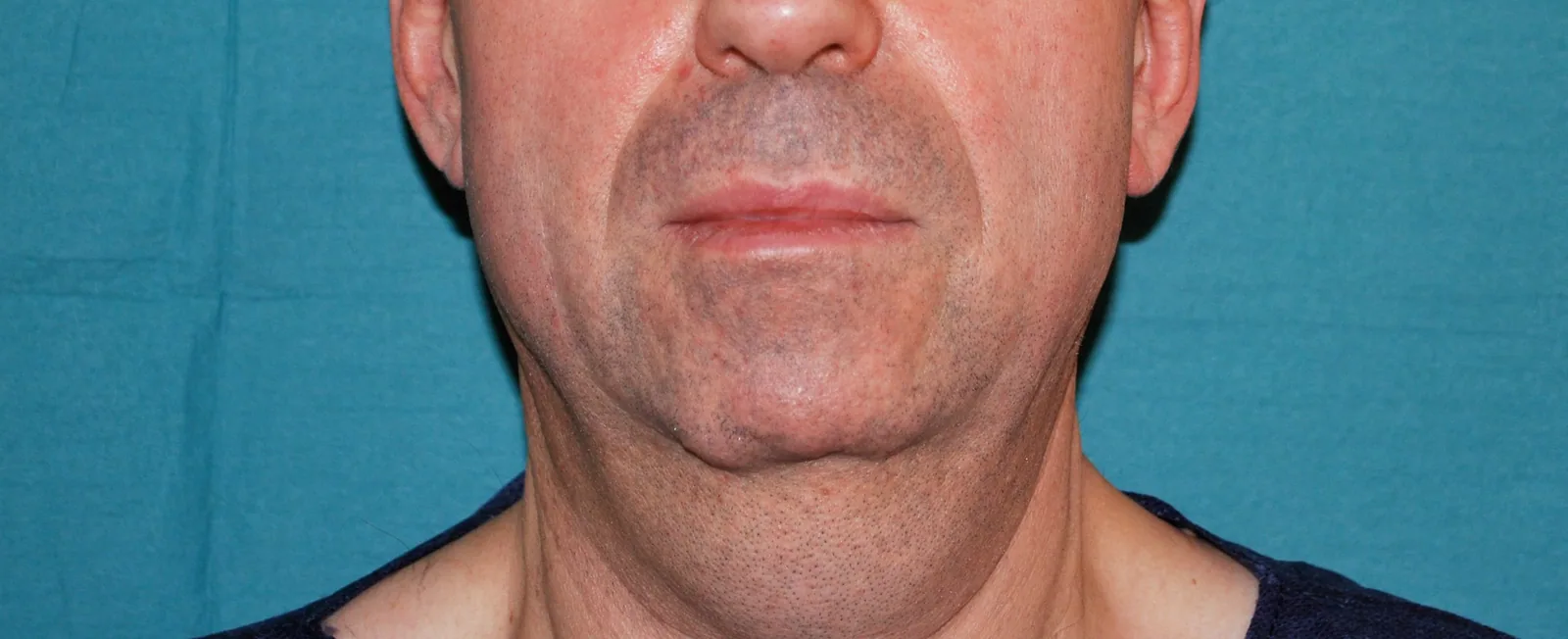
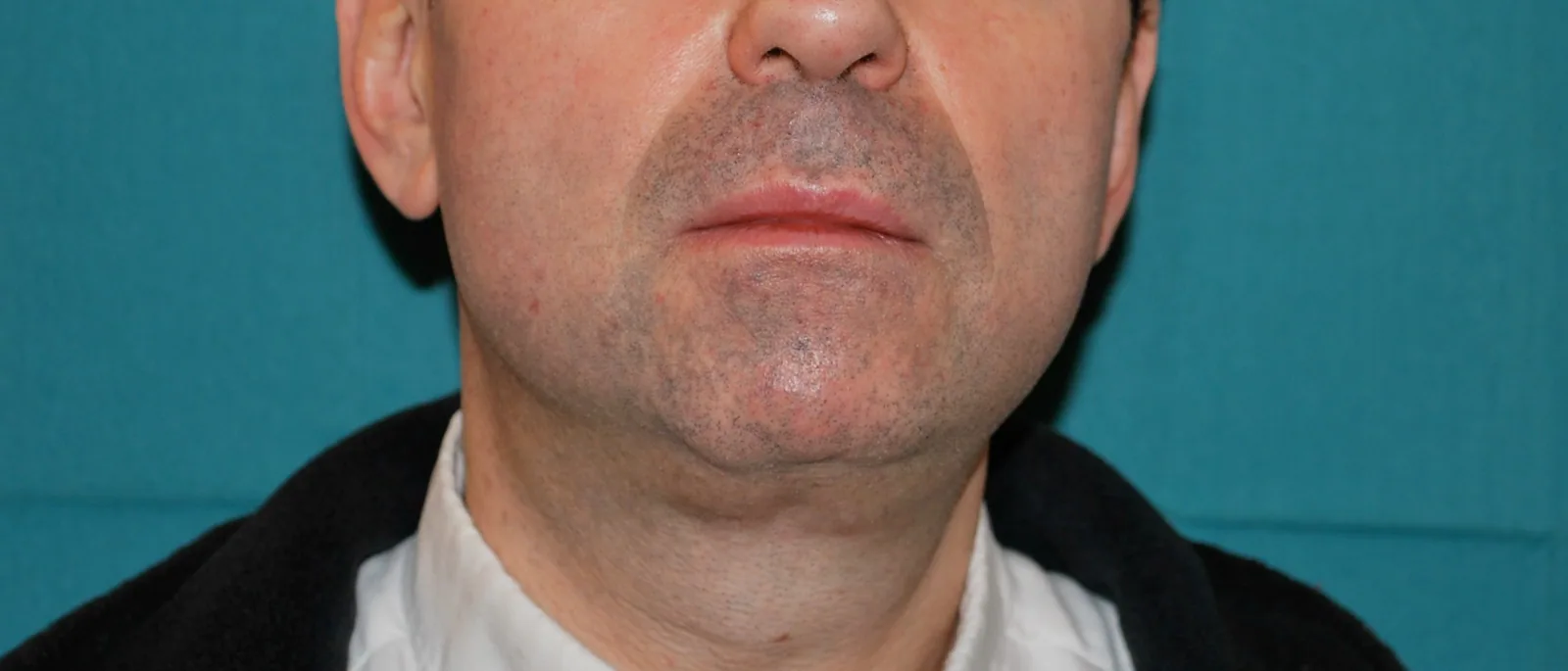
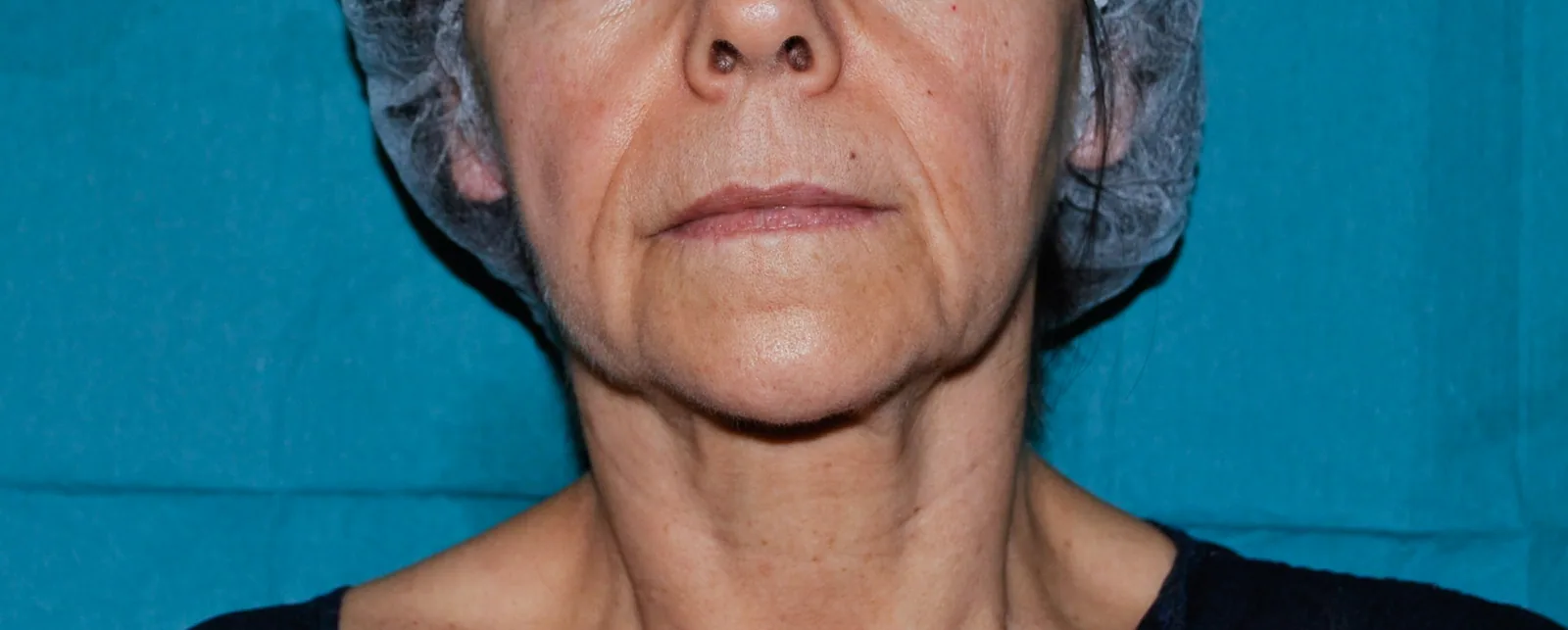
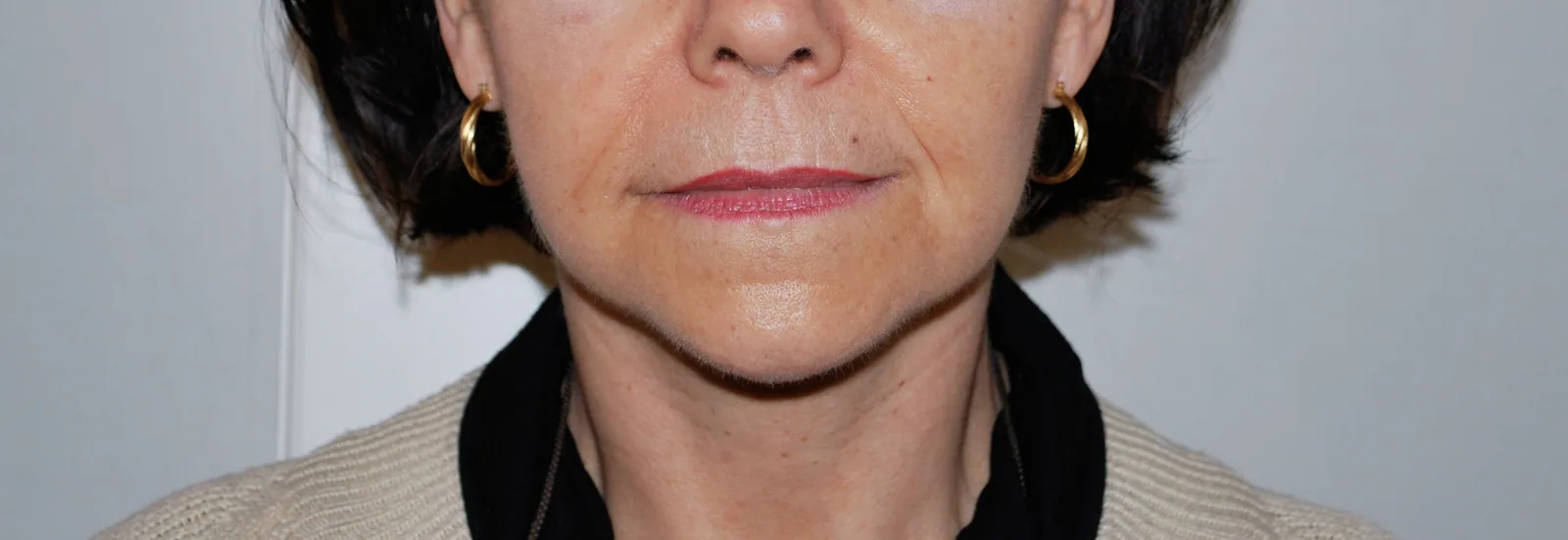
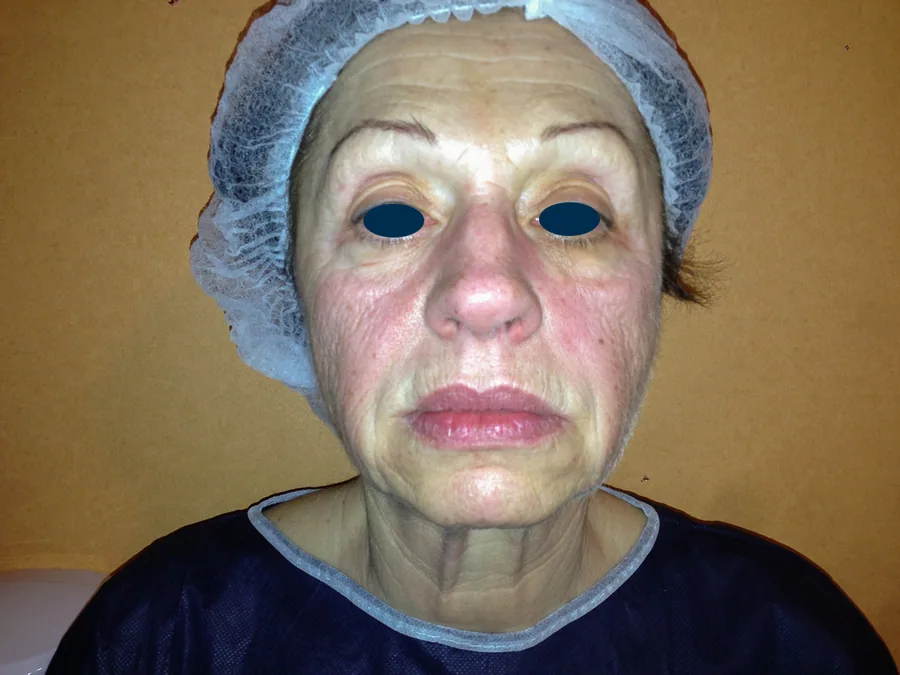
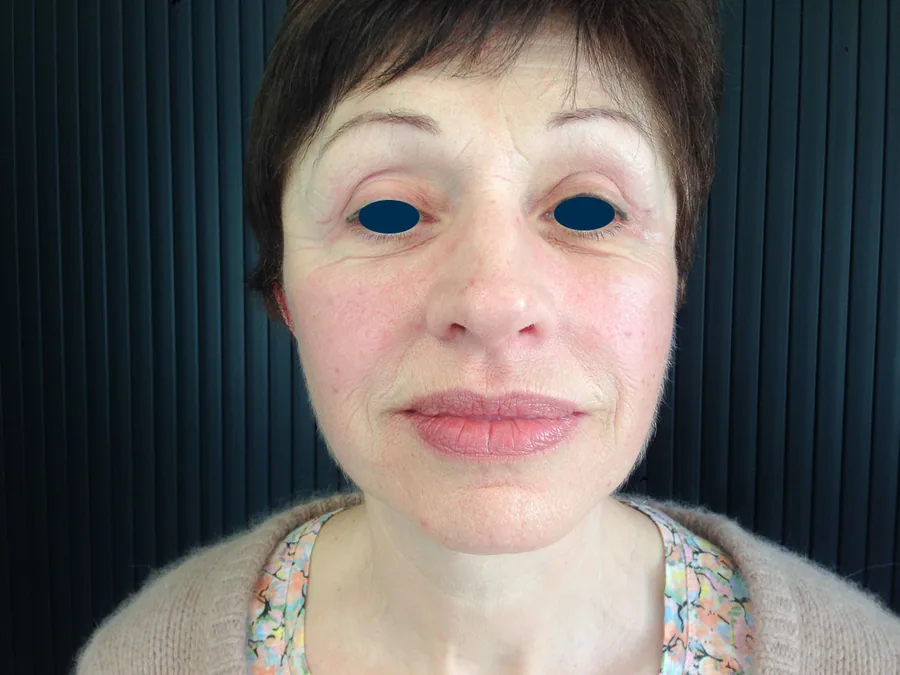
Before-and-after photographs

These photographs are published with the agreement of the patients concerned. They illustrate individual results and do not constitute a guarantee of outcome. Every anatomical situation is different.

→ See the before-and-after facelift gallery

Consultation in Paris 16

Dr Benjamin Pulvermacker, 14 rue Pétrarque, 75116 Paris. Telephone: 01 47 20 48 70. Metro: Trocadéro (lines 6 and 9), Boissière (line 6).

→ Request a consultation

Last updated: August 2026 Medical content written and reviewed by Dr Benjamin Pulvermacker, board-qualified plastic surgeon (Medical Council no. 75/72049), Paris 16. This site is an information site. It does not replace a medical consultation. Only a clinical examination can determine the indication, the technique and the limits of a possible procedure.

Pour qui cette intervention convient — et pour qui elle ne convient pas

Elle convient lorsque l'excès cutané est constitué : ovale effacé, bajoues, cou relâché — typiquement à partir de la cinquantaine, sans limite d'âge supérieure si l'état de santé le permet. Elle ne convient pas au relâchement débutant, qui relève des injections ou de la radiofréquence ; ni aux personnes qui attendent d'un lifting qu'il change leur visage : il restitue sans transformer ; ni au fumeur qui ne peut pas interrompre le tabac, dont l'effet sur la vascularisation des lambeaux est directement corrélé aux complications cutanées.

Limites et risques spécifiques

Un lifting ne traite ni la qualité de la peau (taches, ridules), ni les rides d'expression, ni le regard — d'où l'intérêt des gestes associés discutés en consultation. Risques propres : hématome (le plus fréquent, surtout les premières vingt-quatre heures), atteinte le plus souvent transitoire d'un rameau du nerf facial, troubles de la sensibilité des oreilles et des joues durant plusieurs mois, nécrose cutanée localisée favorisée par le tabac, cicatrices hypertrophiques, alopécie temporale. L'œdème déforme le résultat plusieurs semaines : le visage définitif s'apprécie à trois mois.

A question about this procedure ?

Call 01 47 20 48 70

You are still hesitating

A consultation commits you to nothing.

A proportion of consultations end with no indication, or with a decision to wait. These are normal outcomes, and they are said to your face.

What happens at a first consultation →

Consultation

Let us talk about your plan

The secretariat answers from Monday to Friday, 9 a.m. to 6 p.m.

You have decided

Request an appointment

Give your availability, the practice offers you a slot.

My availability

You would rather speak

Be called back

Leave a number and a time. The secretariat calls you within 48 working hours.

Be called back

You are gathering information

Write to the practice

A question, without an appointment. The secretariat passes it on, answer within 48 working hours.

Ask a question

Or by telephone : 01 47 20 48 70Exchanges are covered by medical confidentiality.

A detailed quotation is compulsorily given at the consultation. A statutory reflection period of fifteen days runs from the moment it is handed over.

Let us talk about your plan

The secretariat answers from Monday to Friday. You may also write : we call you back within 48 working hours.

Cervicofacial lift in Paris 16 — a question about this procedure ?Be called backWrite01 47 20 48 70
Call Write